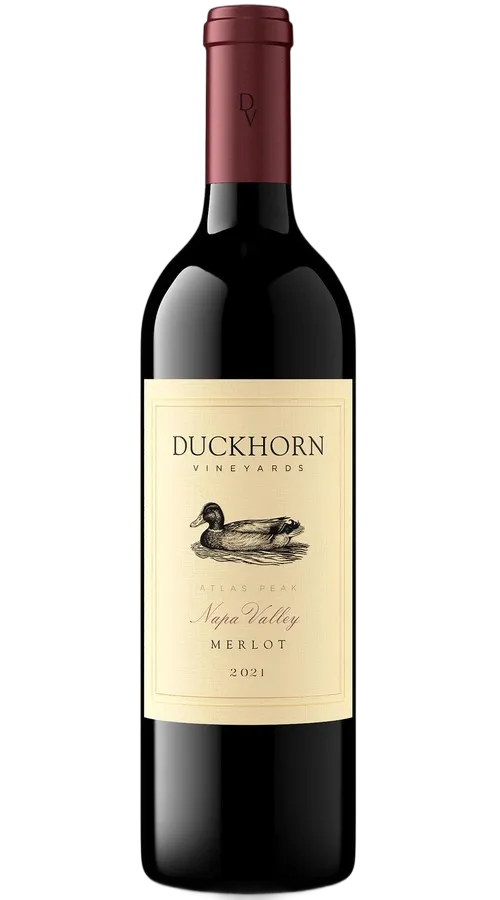
Fifty years of listening to the land — and what it taught us.
Dan Duckhorn came home from Bordeaux convinced of one thing: Merlot could be great in
Napa Valley. Most people in 1976 thought he was wrong.
Not many boutique wineries were staking their name on Merlot. Cabernet owned the category, owned the reputation, owned the conversation. But Dan had spent time walking the vineyards of Pomerol and the Médoc, tasting wines that were silken and structured and deeply tied to place. He came home thinking Napa had something the French hadn’t yet discovered — and that Merlot was the grape to prove it.
So they got to work. Dan and Margaret Duckhorn didn’t just start a winery. They built a life in the valley, bought into the community, and made decisions rooted in the land rather than the market. That instinct — to go deeper rather than wider, to listen rather than dictate — is the one that has guided everything since.
A Grape Worth Believing In
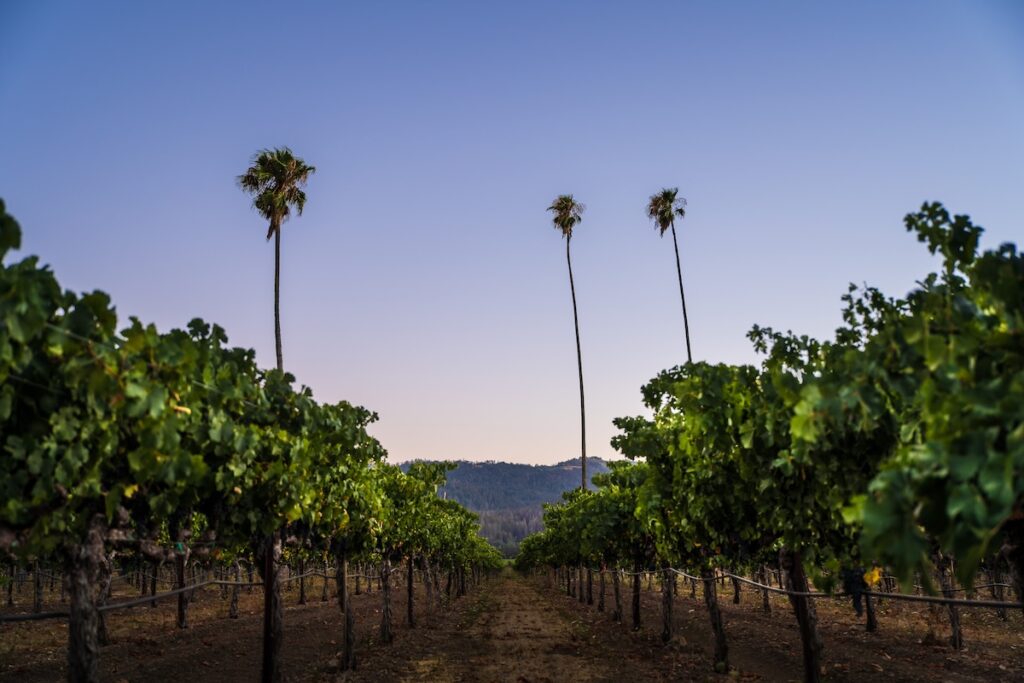
The first wine we released was a 1978 Three Palms Vineyard Merlot. Dan put the vineyard’s name on the label as a tribute to the Uptons, the family who owned the land. The BATF called shortly after and explained that wasn’t something he could do again without meeting strict sourcing requirements. He didn’t need a second try. The wine had already done the talking.
That first vintage was priced at twelve dollars — bold for 1978, nose-to-nose with the Cabernets that commanded the highest shelf positions. Dan believed that if Merlot was going to earn its place as a serious American varietal, it needed to be priced like one. He treated the grapes accordingly: new French oak, gentle handling, the kind of attention that the Bordelais had been giving their fruit for generations. The winemaking world noticed. Critics took note. And an entirely new category of American fine wine quietly began to take shape.
Nine Vineyards. One Relentless Curiosity.
In those early years, Dan made a deliberate choice about where to source fruit — hillside slopes and the alluvial fans where Napa’s creeks meet the valley floor. While much of the industry gravitated toward the most obviously well-drained soils, Dan was studying the creeks. He saw potential where others weren’t looking.
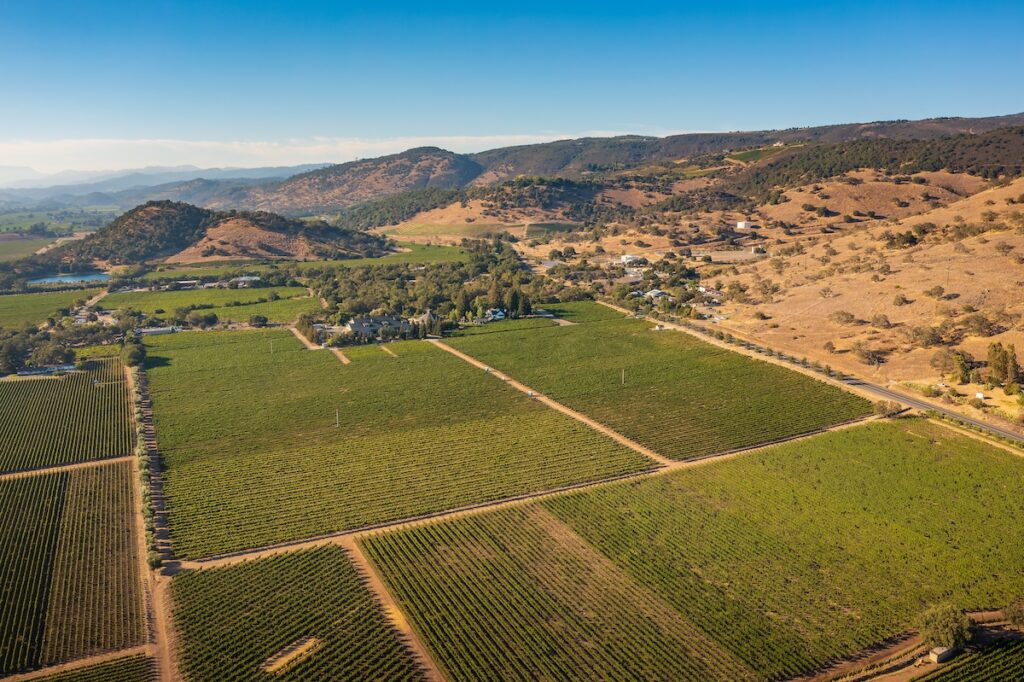
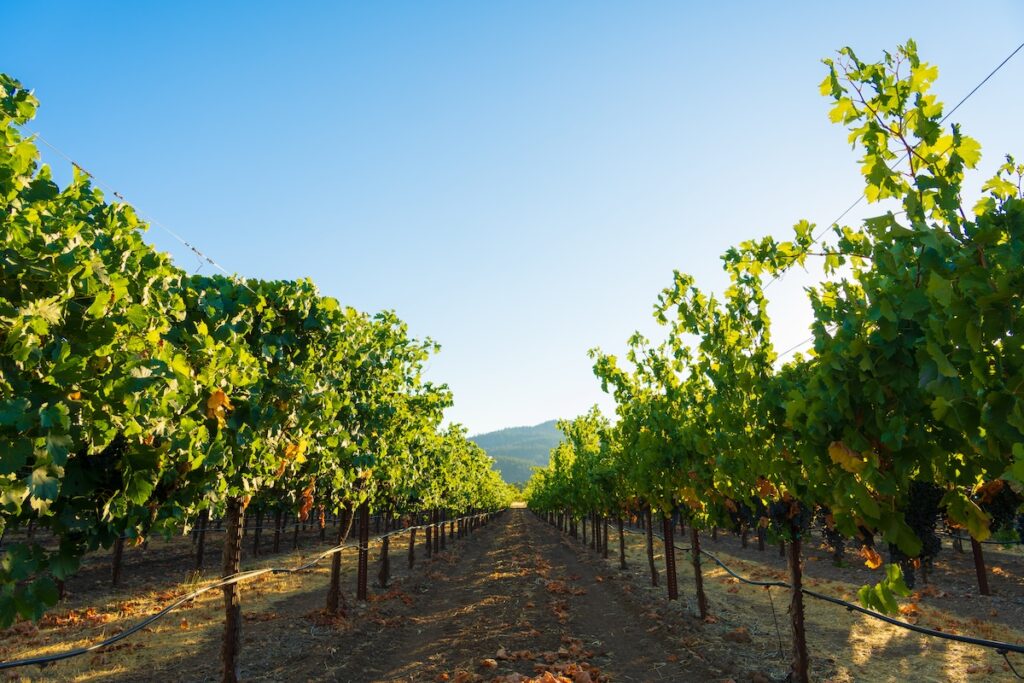
That same curiosity drove decades of land acquisition. From Marlee’s Vineyard in the early 1980s to Patzimaro, Monitor Ledge, Rector Creek, Candlestick Ridge, and beyond, each addition to the estate was a deliberate answer to a specific question about what Napa could express. Today, nine estate vineyards span the full breadth of the valley — from the generous, sun- warmed soils of the valley floor to the thin, rocky slopes of the mountains where vines push deep for what they need.
No two blocks are identical. No two vintages unfold the same way. That variation is the point. It is not a challenge to be managed, but a conversation worth having — carefully, season after season.
The Rhythm of the Seasons
Winemaking at Duckhorn begins long before harvest, and it begins outside. Winter pruning sets the intention for the year. Budbreak brings its own kind of suspense. Through the summer, the vineyard teams move row by row, adjusting canopies, reading the vines, making small decisions that will only show their logic months later in the glass.
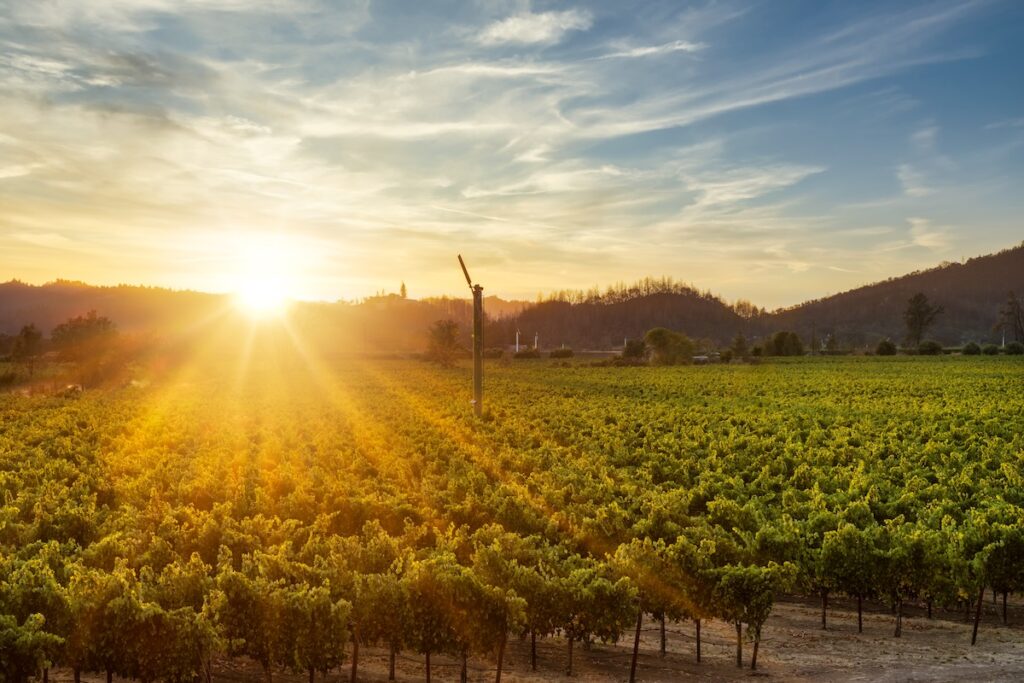
Harvest doesn’t follow a calendar here. It follows the fruit. A berry crushed between the fingertips, a moment of stillness, a decision made by taste and instinct rather than schedule. Picking happens at night, when temperatures are cool and the grapes arrive at the cellar in the best possible condition.
From there, the approach is relentlessly attentive and deliberately small. Hundreds of individual fermentations each vintage — each lot handled on its own terms, preserved in its specificity rather than blended into anonymity. It is how you keep a vineyard’s voice intact all the way to the bottle.
Stewardship as a Standard
The people who farm our nine estate vineyards know where the soil runs lean, which rows catch the first morning light, and which rocky slopes hold the day’s warmth well into the evening. That knowledge isn’t in a manual. It accumulates over years of paying attention.
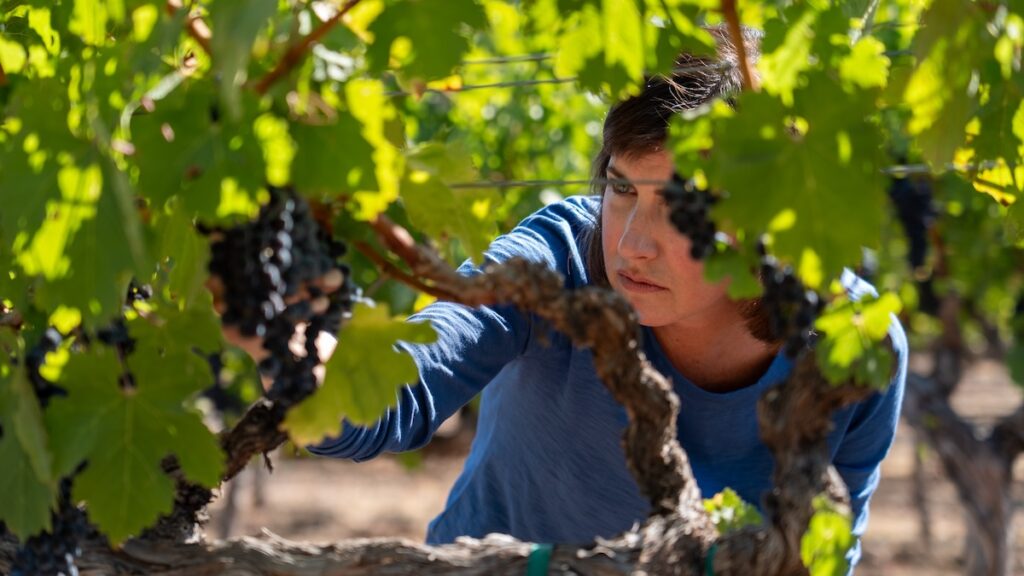
Sustainability at Duckhorn isn’t a position. It is the only approach that makes sense when you’re thinking in decades rather than vintages. Our vineyards are farmed to independently verified sustainability standards — not because it’s required, but because the land you take care of takes care of you. Dan understood this from the beginning. Every team since has carried it forward.
Fifty Years, Still Learning
Dan once said: all is fate, all is natural. It’s a disarmingly simple philosophy for someone who spent fifty years making extraordinarily complex wines. But it captures something true about how Duckhorn approaches the work — not with the ambition to control nature, but with the patience to understand it.
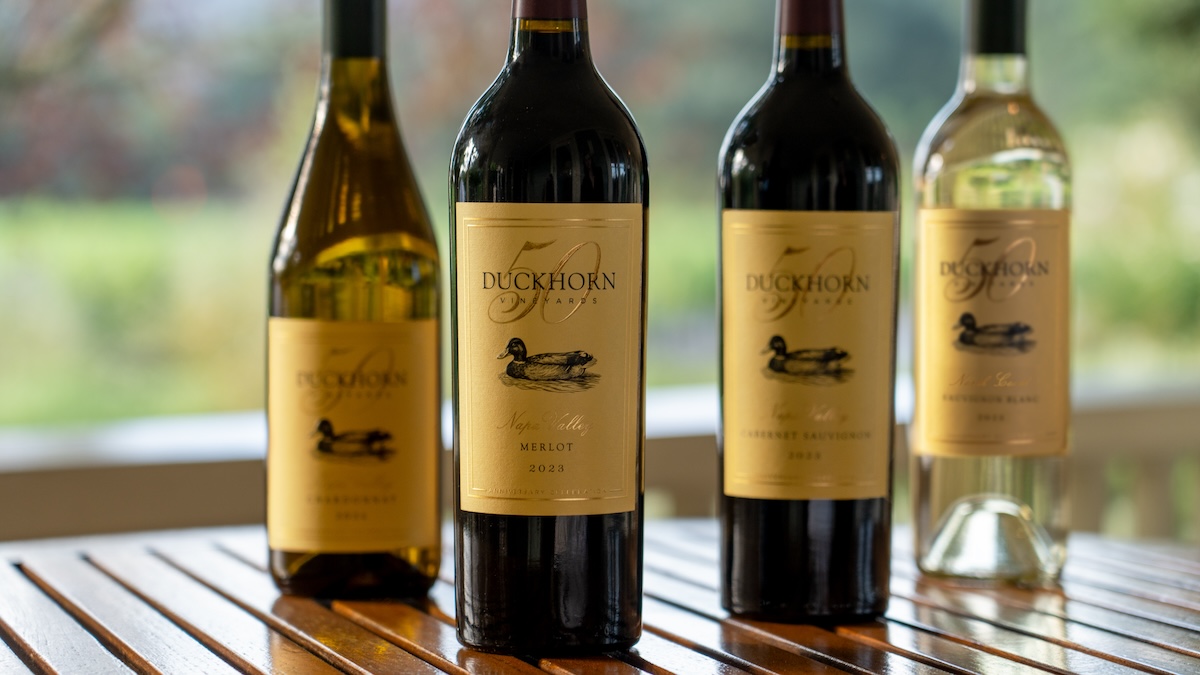
We were among the first American wineries to take Merlot seriously at the highest level. We helped shape Napa Valley’s modern identity, earned a place on tables from the valley floor to the White House, and built one of the most recognized names in American fine wine — without ever losing sight of what started it. A couple. A trip to Bordeaux. A grape that nobody thought could be great, on land that proved them wrong.
Fifty years in, the vineyards are still teaching. We’re still listening.